
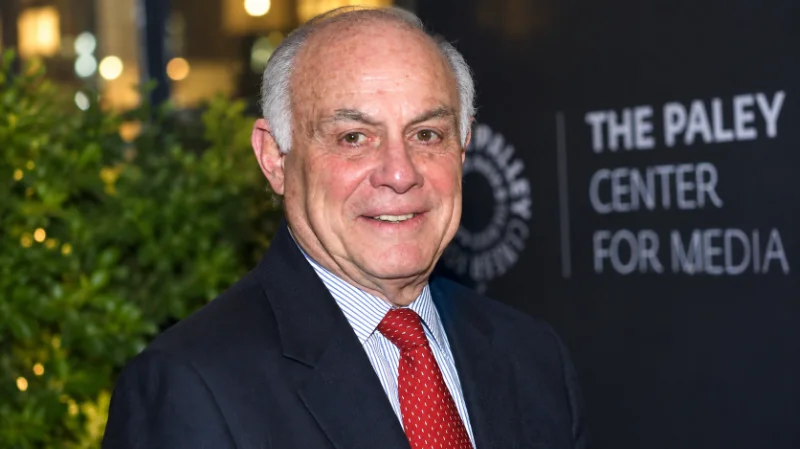
Marshall Rose was a New York real estate developer who spent the first half of his career building shopping centers, office towers and studio lots, and the second half repairing public places. He founded The Georgetown Company in 1978, took part in the renovation of Madison Square Garden, and led work on the New York Public Library’s flagship reading room and Bryant Park. He died at home on February 15, 2025, at age 88. He was married to actress Candice Bergen.
That turn from private deals to civic work is the part of his story most profiles skim past. It also explains why plenty of people who never heard his name walk through his work every week.
Marshall Rose at a Glance
The basic facts, as published in his family’s obituary and other reporting:
- Born January 2, 1937, in Brighton Beach, Brooklyn
- Died February 15, 2025, at home in Manhattan, from complications of Parkinson’s disease
- Education: economics degree from City College, law degree from NYU, honorary degree from CUNY
- Company: The Georgetown Company, founded 1978
- Family: wife Candice Bergen, children Wendi and Andrew, stepdaughter Chloe
Early Life and Education
Rose was born on January 2, 1937, in Brooklyn’s Brighton Beach neighborhood. He studied economics at City College, earned a law degree at New York University, and later received an honorary degree from CUNY.
His parents were Jack and Jean, and he had a brother named Robert, all of whom died before him according to the obituary. His life stayed tied to the city where he grew up. Even when his projects reached Ohio, Florida and California, his civic energy went to New York institutions.
Lawyer, Deal Maker, and Executive Before Georgetown
Rose started as a lawyer. The Real Deal reports that he worked on real estate matters for the investment bank Lazard Freres before moving into development. A 2008 profile in the Gawker archive adds that he ran Arlen Realty and Development in the early 1970s.
Georgetown’s own tribute credits his earlier work on Aventura in Miami, Olympic Tower, and 888 Seventh Avenue in Manhattan. That record gave him the credibility to start a firm of his own.
Sources differ slightly on when he did. His family’s obituary says 1978, while the Gawker profile says 1977. This article uses 1978, the date his family and company give.
The Georgetown Company Years
Georgetown became the vehicle for the projects Rose is best known for. Three of them show how he approached property.
1: Madison Square Garden
Rose’s firm handled a renovation of the arena in the early 1990s. Georgetown’s history says the owner at the time was Gulf and Western, and that the program added luxury suites and amenities and reworked concessions and seating to raise revenue. It was a business fix as much as a facelift.
2: Easton Town Center
Easton Town Center in Columbus, Ohio, was developed in partnership with L Brands founder Les Wexner. Commercial Observer dates the project to 1999. Georgetown describes it as a model for the modern town-square community, with shops, offices, restaurants and entertainment in one walkable layout.
3: The IAC Building and the Far West Side
In 2003, Rose oversaw a joint venture with IAC for the company’s headquarters overlooking the High Line. The building was designed by Frank Gehry, as his family’s obituary notes. Georgetown says the project ushered in heavy development on Manhattan’s Far West Side and helped spur redevelopment around the High Line.
The firm also redeveloped large parts of the Paramount Pictures lot in Los Angeles. The company’s tribute adds Sony Studios to that list.
The Second Act: Civic Work Over Deal Making
His family described the second part of his professional life as devoted to civic and philanthropic work, and named his thirty-year tenure on the library board as his proudest contribution. Georgetown counts 31 years, a small difference between two sources close to him.
The Library and Bryant Park
Commercial Observer reports that Rose chaired the library’s board of trustees from 1990 to 1995 and returned to the board in 1997. The Real Deal says he helped create the Science, Industry and Business Library in the former B. Altman building on Madison Avenue. Georgetown puts that project at $100 million and credits him with renovating the main reading room of the 42nd Street branch.
Bryant Park sits directly behind that building. In those years it had a reputation as Needle Park because of the drug use there. Rose’s property expertise helped turn it around, and he was instrumental in stopping a parking garage from being built beneath it, which kept the space available for library book stacks.
Daniel Biederman, founder of the Bryant Park Restoration Corporation, told Commercial Observer that Rose gave the library his thinking, not only his money. That distinction is the gap most profiles miss. A developer who understands zoning, leases and construction can solve problems a donor cannot.
Charter Schools and Lincoln Center
Rose developed three charter high schools pro bono, funded by the Robin Hood Foundation, including KIPP schools in the South Bronx and Brooklyn. Georgetown says the schools serve about 2,600 students a year. Building schools for free used the same skills he sold in his day job.
His civic record was not all wins. The 2008 Gawker profile says he became chairman of the Lincoln Center redevelopment project in 2000 and resigned abruptly in October 2001, frustrated by infighting that was holding up progress. The episode shows a builder used to moving projects forward meeting a process that would not.
Marshall Rose and Candice Bergen
Rose’s first wife, Jill, died in 1996, and they had two children, Wendi and Andrew. The Gawker profile says he left the library’s top seat in 1995 to care for her while she was terminally ill. That detail places his family life at the center of one of his largest career decisions.
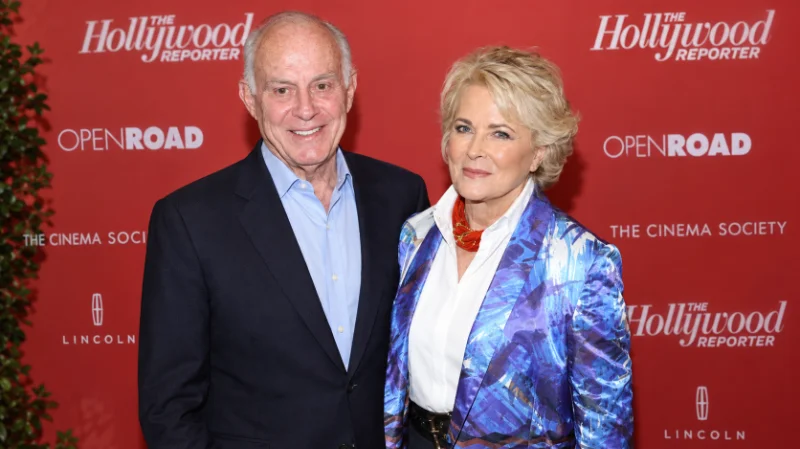
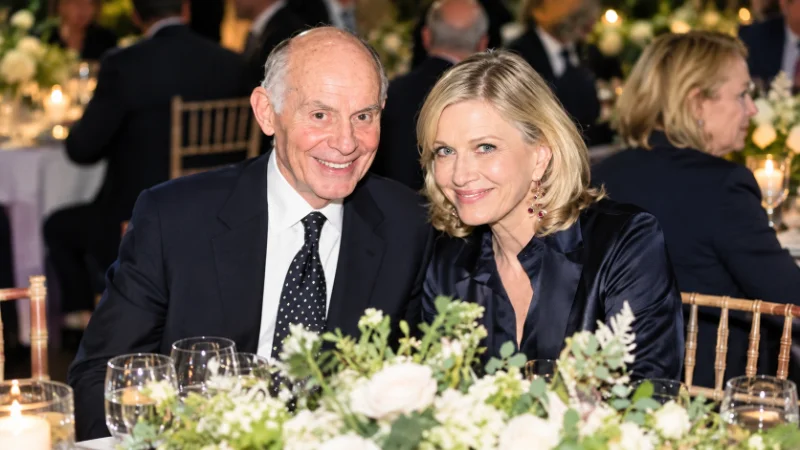
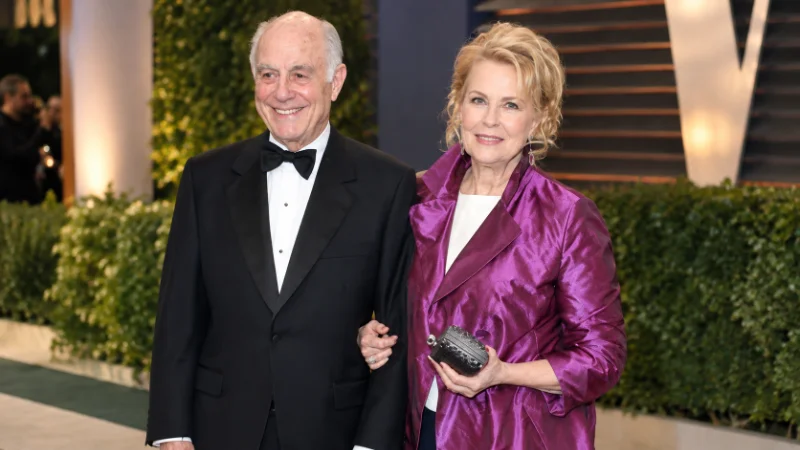
In June 2000 he married actress Candice Bergen, and they remained married until his death. Bergen is best known for the sitcom Murphy Brown. Rose had a lower public profile than his wife, and most coverage of his life before 2025 mentions him in her shadow.
He was survived by Bergen, his children, his stepdaughter Chloe, and six grandchildren named Alexander, Clio, Ell, Milo, Arthur and Alice.
Marshall Rose Net Worth
Marshall Rose’s net worth is not publicly confirmed. None of the obituaries or company statements reviewed for this article gives a figure. The Gawker profile described a real estate fortune that became philanthropic influence but did not put a number on it.
Websites that print a precise total are guessing. A figure would only be worth citing if it came from a named, reputable source, and none has surfaced.
How Colleagues and Family Remembered Him
Georgetown chief executive Adam Flatto said Rose set a standard of excellence, hard work and integrity, balanced by selflessness and humility. That description matches the projects, which favored function over spectacle.
His family’s obituary calls him a mentor with quick humor and genuine respect for every individual, and also says he held high expectations for those around him. The same obituary says he loved the New York Knicks and doted on his goldendoodle, Jerry. In lieu of flowers, the family asked for donations to the library’s adult literacy programs.
Legacy and Lasting Impact
Most developers of his generation left buildings. Rose left buildings, a park, a library wing and three schools. Georgetown says the editorial boards of both the New York Times and the New York Post recognized him for his role in restoring Bryant Park. Agreement between those two papers is uncommon.
His influence on his industry was practical. Easton Town Center offered a template for mixed-use retail, and the IAC headquarters arrived before the High Line’s neighborhood filled in. The Madison Square Garden overhaul showed how an old arena could be made to earn more without being rebuilt.
The measure that lasts is use. Readers sit in the reading room he helped restore, office workers eat lunch in the park he helped save, and students attend schools he built without a fee. Marshall Rose worked on projects that ask for years of patience, and the people who use them rarely need to know his name.