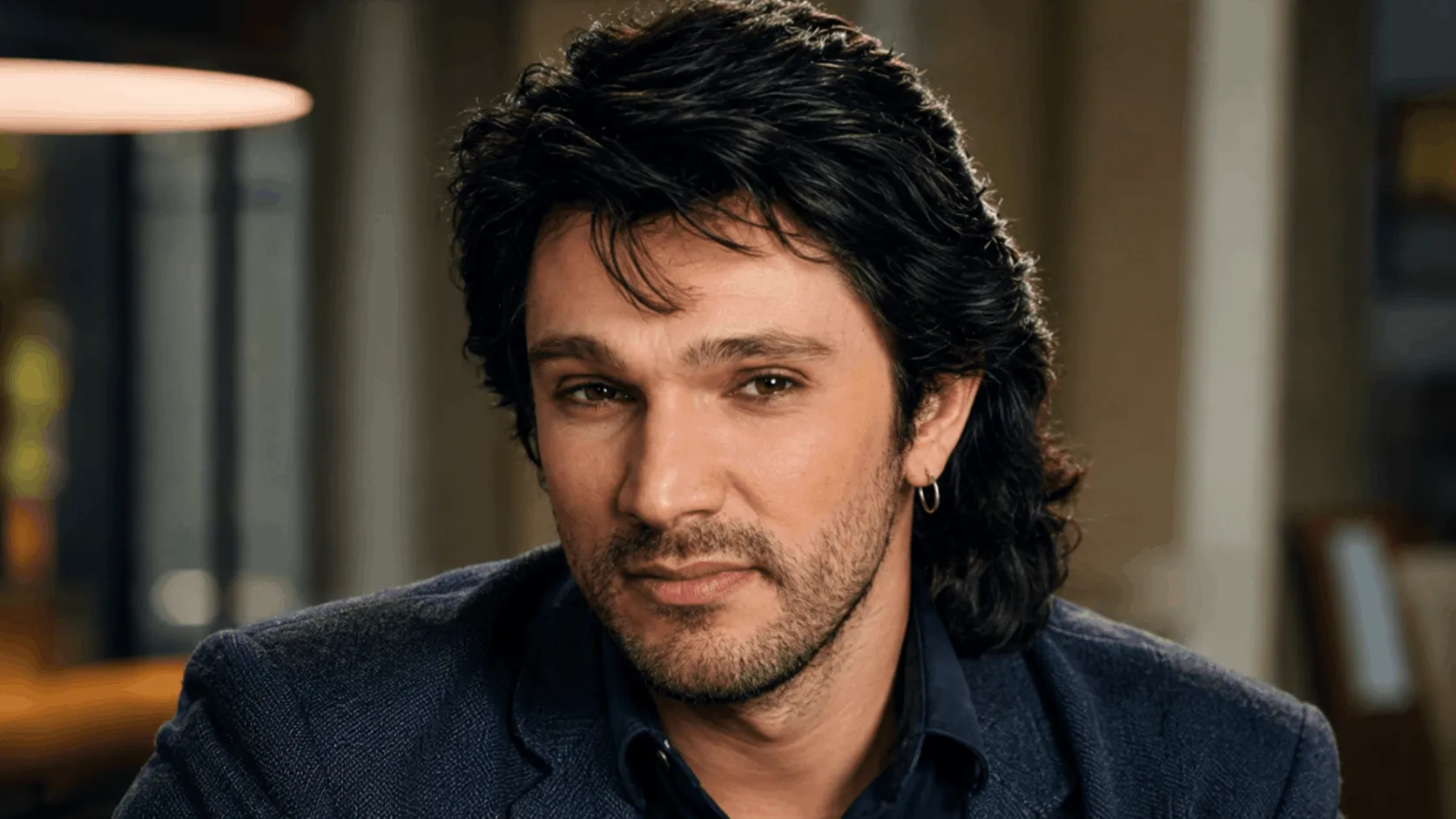
Antony Alda was an American actor, writer, and director who built a career across television, film, and stage before his death in 2009. Born Antonio Joseph D’Abruzzo, he grew up surrounded by performers and eventually developed a screen career of his own, with credits including Days of Our Lives, M*A*S*H, Columbo, Driving Me Crazy, and National Treasure.
Early Life and Family Background
Antony Alda was born on December 9, 1956, in Saint-Julien, Var, France. His birth name was Antonio Joseph D’Abruzzo. His parents were actor Robert Alda and actress Flora Marino, placing him inside a family with strong connections to stage and screen.
The environment shaped his understanding of performance from childhood. According to biographical accounts, he spent summers around Broadway productions in which his father and half-brother were performing. That experience gave him an unusually close view of the work behind a production, including the technical and backstage side of theater.
Alda later studied in Rome and completed his education at The Juilliard School in New York City. Female.com.au identifies his early studies in Rome and his Juilliard education, while biographical material about his childhood describes theater as a familiar part of his upbringing.
This combination of performance and music helped shape a career that eventually extended beyond acting. His professional work would include television, feature films, and a later move into writing and directing.
Growing Up in the Alda Family
Being Robert Alda’s son and Alan Alda’s half-brother created opportunities, but it also created a natural comparison. Antony understood that audiences and casting professionals could make assumptions about him because of his family name.
That tension is part of what makes his career worth looking at separately from Alan Alda’s. Antony did not become a second version of his half-brother. He developed a more varied list of supporting television and film roles and eventually moved into writing and directing.
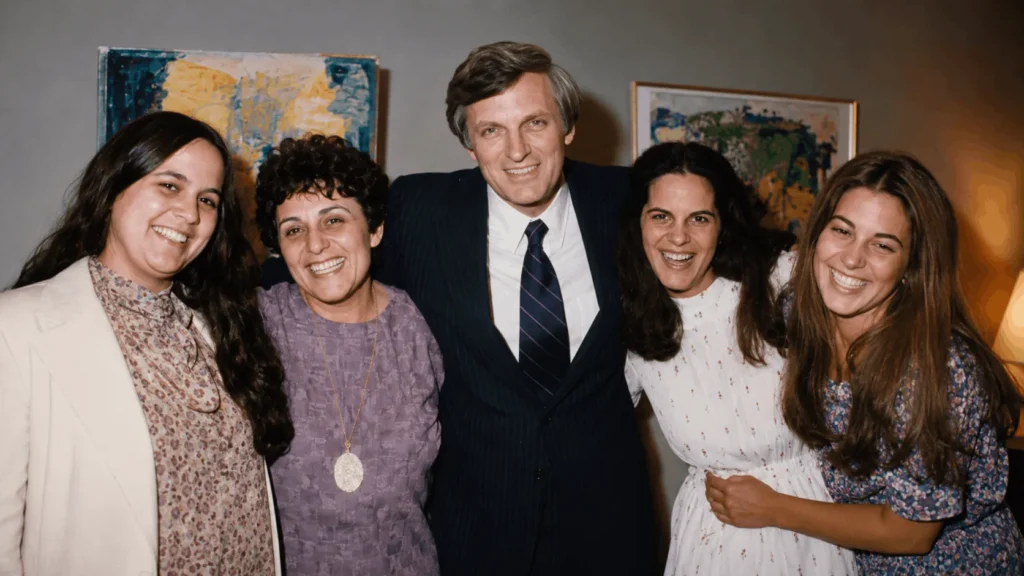
The family connection remained visible throughout his life. His relatives included actors and filmmakers, and his own sons, Ian Alda and Zan Alda, also entered the entertainment world. In Role of a Lifetime, Ian and Zan appear in the cast, adding another unusual family connection to Antony’s creative work.
Television Career
Television became one of the main parts of Antony Alda’s professional life. IMDb lists more than 30 acting credits, covering appearances that stretch from the late 1960s into the 2000s. His early credits included Daniel Boone and Walt Disney’s Wonderful World of Color, giving him experience in television at a relatively young age.
During the 1970s and 1980s, Alda appeared in several recognizable programs. His credits included Switch, Columbo, CHiPs, Quincy, M.E., Knots Landing, Throb, Too Close for Comfort, and Hunter. These were mostly individual-episode or limited appearances, but they allowed him to work across crime dramas, comedies, action series, and other popular television formats.
One of the most notable connections was M*A*S*H. Alda appeared as Corporal Jarvis in the episode “Lend a Hand” in 1980. The appearance had an added family connection because the series starred his half-brother Alan Alda as Benjamin Franklin “Hawkeye” Pierce.
Antony’s role was much smaller than Alan’s central performance, but the appearance is still one of the more recognizable entries in his television history. It also illustrates how his career sometimes intersected with the larger Alda family story without depending entirely on it.
Days of Our Lives and Giovanni Corelli
For many viewers, one of Antony Alda’s most memorable television roles came on Days of Our Lives. From 1990 to 1991, he played Giovanni “Johnny” Corelli on the long-running daytime soap opera.
The role gave him a longer-running television presence than many of his earlier one-episode credits. Famous Birthdays specifically identifies Giovanni “Johnny” Corelli as one of the roles for which he was known.
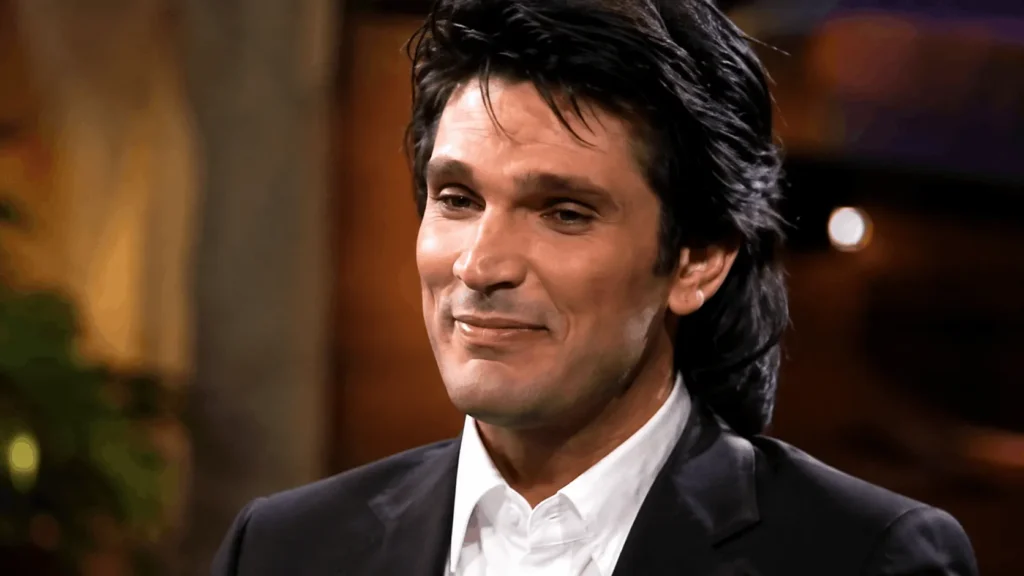
Soap opera work requires performers to sustain characters across continuing storylines, and the role added a different dimension to Alda’s résumé. It also introduced him to an audience that may not have encountered his earlier film and television appearances.
Film Work
Alda’s film career included both supporting parts and smaller character roles. His listed credits include Melvin and Howard, Smart Alec, Sweet Liberty, Hot Child in the City, Homeboy, Driving Me Crazy, Killing Device, Role of a Lifetime, and National Treasure.
His appearance in Melvin and Howard came in 1980, when he played Terry. The film became notable for its cast and for Mary Steenburgen’s Academy Award-winning performance, according to Famous Birthdays.
In 1986, Alda appeared in Sweet Liberty as a film crew member. The project also connected him indirectly to the world of filmmaking that he would later enter more directly as a writer and director.
Other roles followed in films such as Homeboy and Driving Me Crazy. These credits show that his work was not confined to one genre. He moved between comedy, drama, crime-oriented stories, and mainstream entertainment.
National Treasure and His Final Film Role
A particularly recognizable late credit came in National Treasure, the 2004 adventure film starring Nicolas Cage. Alda played Guard Ferguson. IMDb lists National Treasure among his best-known credits and identifies it as his final film role.
While the part was supporting, the movie reached a broad mainstream audience and became the last feature film appearance in his recorded career.
For people discovering Antony Alda through modern streaming catalogs or cast searches, National Treasure is therefore an easy starting point. It also provides a connection between his earlier television career and the larger studio films of the 2000s.
Role of a Lifetime: Writing, Directing, and Acting
The most distinctive project in Antony Alda’s career was Role of a Lifetime. Released in 2002, the film allowed him to move beyond acting and take control of a story as both writer and director. IMDb and Rotten Tomatoes both credit Alda as the film’s director and screenwriter.
The film stars Scott Bakula as Bobby Cellini, an actor whose career has fallen into decline. After Bobby disappears and is presumed dead, Hollywood begins preparing a film about his life. He then adopts another identity and tries to audition for the movie himself.
Alda appears in the film as Joey, credited as Tony Alda. IMDb’s full credits confirm that he wrote and directed the project as well as acting in it.
The subject matter makes the film especially interesting when viewed alongside Alda’s own professional background. Its central character is an actor confronting questions about identity, career, recognition, and the entertainment business. Those themes give the project a more personal feel, even though the film is a fictional story.
Role of a Lifetime was also a family-linked production. Ian Alda and Zan Alda appear among the cast, meaning Antony was able to work alongside his sons on one of his most personally distinctive projects.
Marriage and Children
Antony Alda was married twice. His first marriage was to Leslie Clark, beginning in 1975 and ending in divorce in 1977. He later married actress Loretta S. Carrell, with IMDb’s biographical records listing their marriage from 1980 to 1992.
He had two children, Ian Alda and Zan Alda. Both are connected to the entertainment industry, and Ian followed his father into acting.
His family history is therefore more than a footnote. Antony grew up with actors around him, became an actor himself, and later worked with his own children in a film. That creates a clear thread through several generations of the family.
Antony Alda’s Relationship to Alan Alda
Antony Alda and Alan Alda shared the same father, Robert Alda, making Alan his paternal half-brother. Alan became internationally recognized for M*A*S*H, where he played Hawkeye Pierce, while Antony developed a smaller but broad collection of television and film credits.
The difference between their careers is worth noting. Alan’s career became associated with leading roles, directing, writing, and major awards, while Antony worked more often as a supporting actor and later used his experience to make his own film.
Antony’s appearance on M*A*S*H naturally creates a direct link between the two careers. Yet his other credits, particularly Days of Our Lives and Role of a Lifetime, show that he had a professional identity outside the family connection.
Death and Legacy
Antony Alda died on July 3, 2009, in Los Angeles at the age of 52. IMDb records cirrhosis of the liver as the cause of death, while the biographical record on Wikipedia also states that he died from cirrhosis.
His career ended years before his death, with National Treasure serving as his final film role. Still, his body of work covers several decades and multiple forms of entertainment.
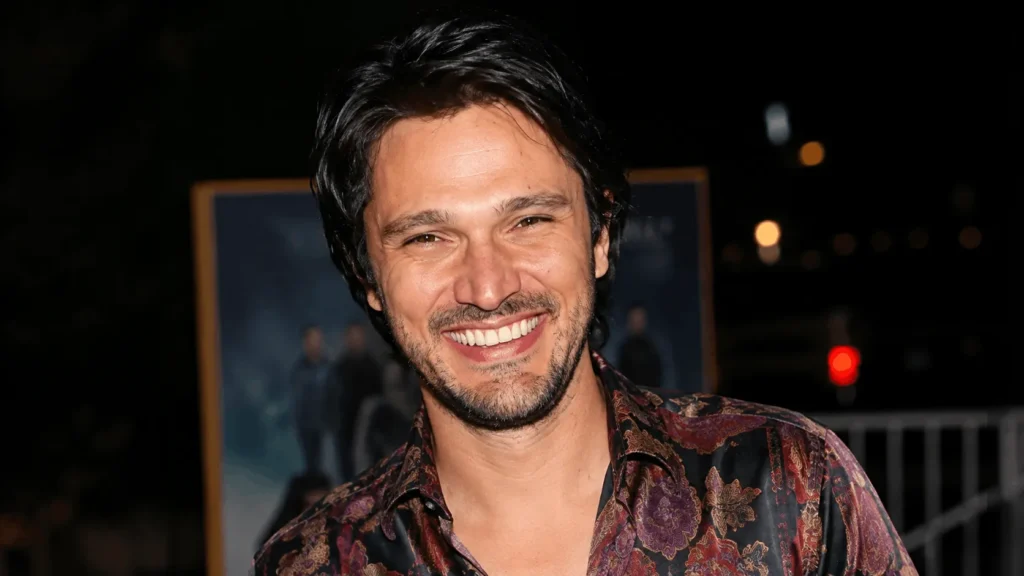
What makes Antony Alda’s career especially notable is its range. He worked in episodic television, daytime drama, feature films, and eventually filmmaking behind the camera. His transition from actor to writer-director in Role of a Lifetime showed an interest in shaping stories rather than only performing in them.
For viewers researching Antony Alda today, his name may first appear because of his connection to Robert and Alan Alda. Looking beyond that family connection reveals a performer with his own path. His credits include familiar television series, a major studio adventure film, and a personal creative project that put him in the roles of actor, writer, and director.
Antony Alda’s career was not built around one defining character. Instead, it developed through many smaller performances and a later move into filmmaking. That makes his work a useful example of a working actor who continued exploring different parts of the entertainment business until his death at 52.