
Dave Allen earned his living through more than three decades of stand-up, sketch comedy, and stage work in Australia, Britain, and beyond, and by the time of his death in 2005 his estate was recorded at roughly £3 million. That figure comes from probate records reported by the Evening Standard, not from a rumor mill. Getting there took a long, unglamorous road through nightclubs, holiday camps, and door-to-door sales before television made him a household name.
Quick Facts
| Detail | Information |
| Full Name | David Tynan O’Mahony |
| Known As | Dave Allen |
| Born | 6 July 1936, Dublin, Ireland |
| Died | 10 March 2005, Kensington, London (age 68) |
| Occupation | Comedian, satirist, actor |
| Years Active | 1959 to 1998 |
| Reported Estate Value | Approximately £3 million (per his 2005 will) |
| Primary Income Sources | BBC and ITV television contracts, live comedy tours, stage acting |
Early Life in Dublin
Allen was born in the Firhouse area of Dublin, the son of Cullen O’Mahony, a managing editor at The Irish Times, and Jean Archer, an English housewife. His father died when Allen was 12, and his mother later moved the family to England.
He was educated at Newbridge College, Terenure College, and the Catholic University School, where he later said the discipline handed out by the nuns became raw material for his act. He left school at 16 and followed his father into journalism, starting as a copy boy at the Drogheda Argus before heading to Fleet Street at 19.
Before comedy paid the bills, Allen worked a string of odd jobs. He was a Butlins Redcoat at Skegness, a toy shop clerk in Sheffield, and a door-to-door salesman of draught excluders. None of it looked like the start of a television career.
Breakthrough in Australia
Allen’s first television appearance came on the BBC talent show New Faces in 1959, and through the early 1960s he hosted pop music tours, including a 1963 bill that featured a young, still relatively unknown band called The Beatles.

A 1962 tour of South Africa with American vaudeville performer Sophie Tucker changed his direction. Tucker encouraged him to try Australia, and he took her advice. In 1963, Channel 9 gave him his own talk show, Tonight with Dave Allen. He was briefly banned from Australian airwaves after telling a producer to leave him alone on air during an interview with Peter Cook and Dudley Moore, but the ban did not last and his popularity kept climbing.
The BBC Years and Household Fame
Allen returned to Britain in 1964 and worked steadily on ITV before signing with the BBC in 1968 for The Dave Allen Show. From 1971 to 1979, and again later, Dave Allen at Large put him in front of a national audience every week, and the format was later sold to broadcasters across Europe, giving him income well beyond the UK market.
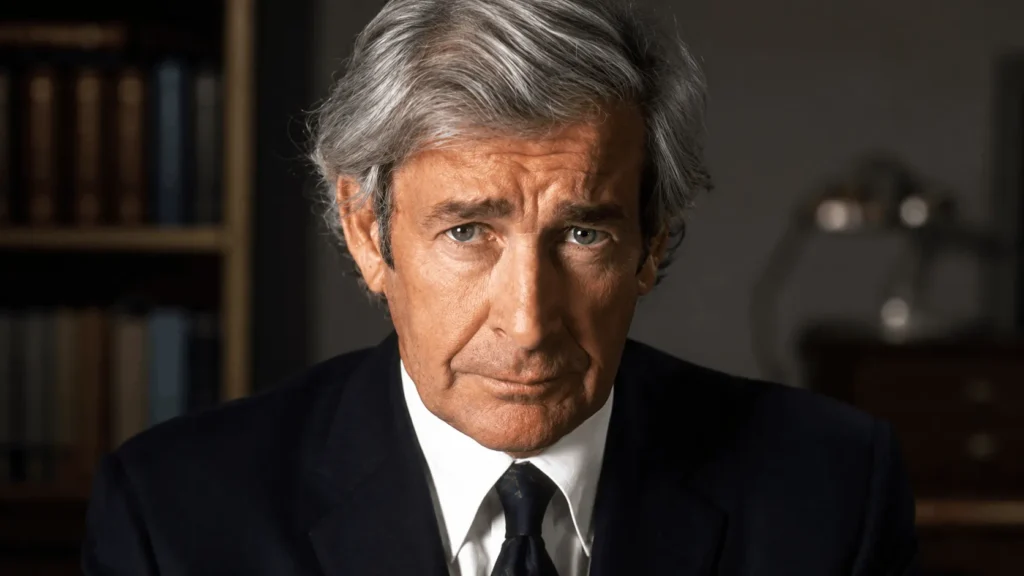
The show’s signature was Allen seated on a stool with a cigarette and a drink he always let people assume was whiskey, though it was ginger ale. His targets were priests, politicians, and anyone acting on authority rather than reason, and his 1977 satire of the Catholic Church led Irish broadcaster RTE to informally ban him for a period. The controversy did not slow his career in the UK. If anything, it built his reputation as the most talked-about comedian on British television at the time.
Stage, Film, and Documentary Work
Television was Allen’s main earner, but it was not his only one. In 1973 he played both Mr Darling and Captain Hook in a production of Peter Pan at the London Coliseum alongside Maggie Smith, and in 1979 he took a lead role in Alan Bennett’s television play One Fine Day. He also fronted several ITV documentaries, starting with Dave Allen in the Melting Pot in 1969, a look at life in New York City.
These credits added variety to his income and kept him working outside the sitting-and-joking format that made him famous, which mattered once the BBC and ITV contracts eventually wound down.
Later Career and Semi-Retirement
Allen returned to ITV in 1993 for what became his final regular series, then eased into semi-retirement at his family home in Holland Park, west London. He picked up a lifetime achievement award at the British Comedy Awards in 1996 and looked back on his BBC years in the 1998 retrospective series The Unique Dave Allen.
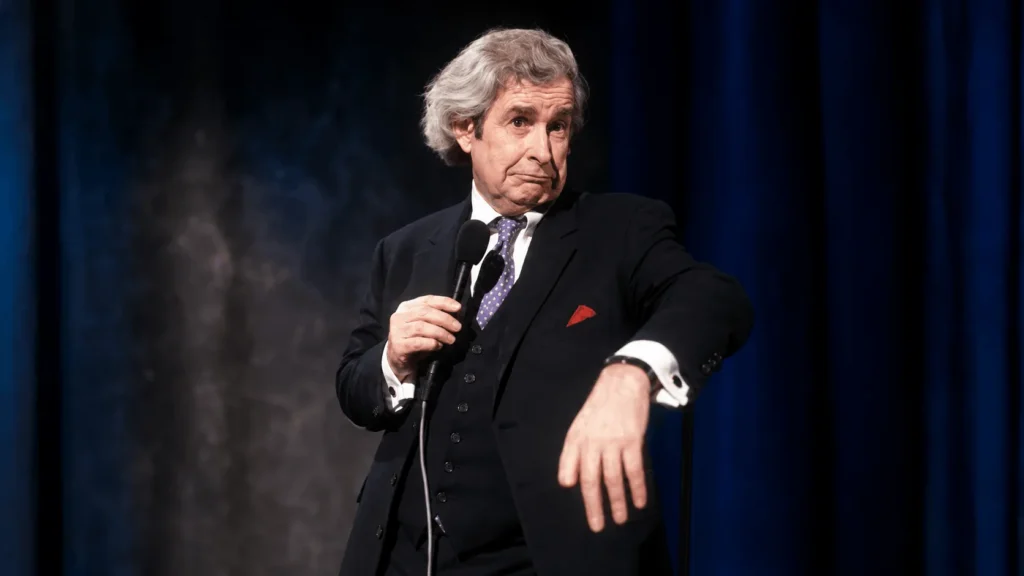
Health problems from years of on-stage smoking, including emphysema, slowed him down through the 1990s. He gave up cigarettes but kept working in smaller doses until his death in 2005. Painting became a serious hobby in his final years, and he held his first exhibition, Private Views, in Edinburgh in 2001.
Where His Money Actually Came From
Allen’s income tracked his television deals closely. The BBC and ITV contracts for his various shows across the 1960s, 1970s, 1980s, and 1990s were his largest and steadiest source of earnings, especially once Dave Allen at Large was exported to broadcasters in Sweden, Finland, and elsewhere in Europe.
Beyond television, his income came from a few other places:
Live performances and comedy tours in the UK, Australia, and occasionally the United States, including a 1981 American showcase called An Evening With Dave Allen.
Stage acting fees from theatre runs such as Peter Pan.
Royalties tied to DVD and rerun releases of his BBC material, which continued generating income for his estate after his death.
What He Was Actually Worth
Here is where a lot of what circulates online falls apart. Search around for “Dave Allen net worth” and you will find wildly different numbers, some in the low millions, some claiming figures in the tens of millions, and at least one result that is actually describing a different person entirely, an American actor who shares his name. None of those larger figures trace back to a real, checkable source.
The one number that does hold up is the £3 million left in Allen’s will, reported by the Evening Standard in January 2007 and cited in his biographical record. Using exchange rates typical of that period, that put his estate in the rough range of five to six million U.S. dollars, though that conversion is an approximation rather than an official figure. His second wife, Karin, and his children Jane and Edward were named as beneficiaries.
That is a comfortable sum built over a long career, not the massive fortune some pages suggest. It reflects steady, well-paid television work rather than blockbuster deals, endorsements, or the kind of multi-platform business ventures that inflate modern celebrity wealth.
His Lasting Influence
Allen’s style, seated, conversational, and willing to say what audiences were thinking about religion and power, shaped comedians who came after him. Jimmy Carr and Stewart Lee have both pointed to him as an influence, and Adam Sandler has said watching Allen perform live as a 10-year-old at the Nevele Hotel stuck with him. In 2018, RTE and BBC Two aired a dramatization of his life, Dave Allen at Peace, with Aidan Gillen in the role. [internal link opportunity: retrospective on comedians who influenced modern stand-up]
His financial legacy was modest by celebrity standards, but his comedic one was not. Decades after his death, his routines about religion, bureaucracy, and Irish life still circulate, and his estate continues to earn small amounts from reruns and released material.